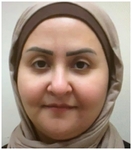
Biography
Dr. Suzan Anwar is an assistant professor and the department chair of Computer Science at Philander Smith College. In 2019, she received a PhD in computer and information science from University of Arkansas at Little Rock. Her research covers different aspects of using Computer Vision methods and Machine Learning techniques with Data Science applications. Dr. Anwar has an impressive publication record along with national and international teaching experience. She mentors students from independent study projects to M.S., groups of students that take her classes, and prospective students. She worked in national labs such as Argonne and Lawrence Berkeley National Labs Currently, she has been awarded NSF and NSA grants for both DART seed and GenCyber programs. Her Career interest is to develop data scientist professionals to grow our nation's business. Dr. Anwar is also a member of the Arkansas Council for Women in Higher Education and SACNAS.
Degrees Earned
1. PhD in Computer Science and Information Science, University of Arkansas at Little Rock, Little Rock, AR, 2019 2. MSc in Computer Science, University of Salahaddin, Iraq, 2011 3. Bachelor of Computer Science (BSc Degree), Computer Science Department, University of Mosul, Mosul, Iraq, 2000
Research Areas
Computer Science; Data Science
Research Interests
My research interest focus on applying machine learning, computer vision, and data science to real-world challenges in healthcare, security, and human-computer interaction. My work includes real-time facial emotion and eye gaze detection, AI-driven medical imaging for cancer diagnosis, synthetic data generation using GANs and Autoencoders, cryptography and mobile app security, and AI-assisted chemical catalyst design. I integrate high-performance computing, low-code/no-code tools, and interdisciplinary collaboration to develop innovative, data-driven solutions, while actively mentoring students and leading STEM engagement initiatives through national labs, industry partnerships, and competitive innovation programs.
Topical Areas
Applied Computer Science; Applied Mathematics; Computer Science; Health Sciences; Informatics, Analytics and Information Science; Visualization and Human-Computer Systems
Research Synergy
My research in machine learning, computer vision, and data science closely aligns with SRP’s mission of fostering collaborative, high-impact projects. I have extensive experience applying AI and high-performance computing to interdisciplinary challenges in healthcare, security, and materials science, including medical imaging for cancer diagnosis, real-time human behavior analysis, and AI-assisted catalyst design. These areas intersect with SRP project leaders’ expertise by leveraging advanced modeling, large-scale data analysis, and domain-specific AI applications to accelerate discovery and innovation. I bring a track record of translating theoretical AI models into practical, deployable solutions, along with mentoring diverse faculty–student teams to contribute effectively to collaborative research goals.
Motivation
I want to participate in this program to collaborate with leading researchers, advance my work in machine learning and data science, and create opportunities for my students to engage in meaningful, high-impact projects. As a faculty member at an HBCU, I am committed to opening doors for underrepresented students in STEM and connecting them with national research resources. This program’s inclusive community aligns with my mission to ensure all voices are valued in science. I hope to gain new technical skills, research insights, and professional connections that I can bring back to my institution to inspire and empower the next generation of innovators.
Supervising Students Plan
Clearly outline project goals, expectations, and timelines at the start. Hold weekly check-ins to review progress, address challenges, and set next steps. Provide technical training on tools, data analysis, and research methods as needed. Review code, documentation, and deliverables regularly for quality assurance. Encourage participation in presentations, workshops, and publications. Create a supportive environment that builds technical skills, communication abilities, and research confidence.
Student Merit
I selected my students team based on their demonstrated academic performance, technical skills, and commitment to research. Each student has shown strong aptitude in computer science coursework and has participated in hands-on projects that align with the goals of this program. I have worked closely with these students in both classroom and research settings, where they consistently met deadlines, collaborated effectively, and displayed problem-solving skills. They have experience in programming, data analysis, and critical thinking, which will allow them to contribute meaningfully to the project from the outset. Their enthusiasm for applying classroom learning to real-world challenges, along with their reliability and professionalism, makes them well-prepared for the responsibilities and collaborative nature of this opportunity.
Lightning Talk Title
AI Driven Multimodal Research: From Vision to Healthcare
Keywords
Artificial Intelligence, High-Performance Computing, Machine Learning, Graph Neural Networks, Data Science, Biomedical Informatics, Scientific Simulations